Starting a Record Label!
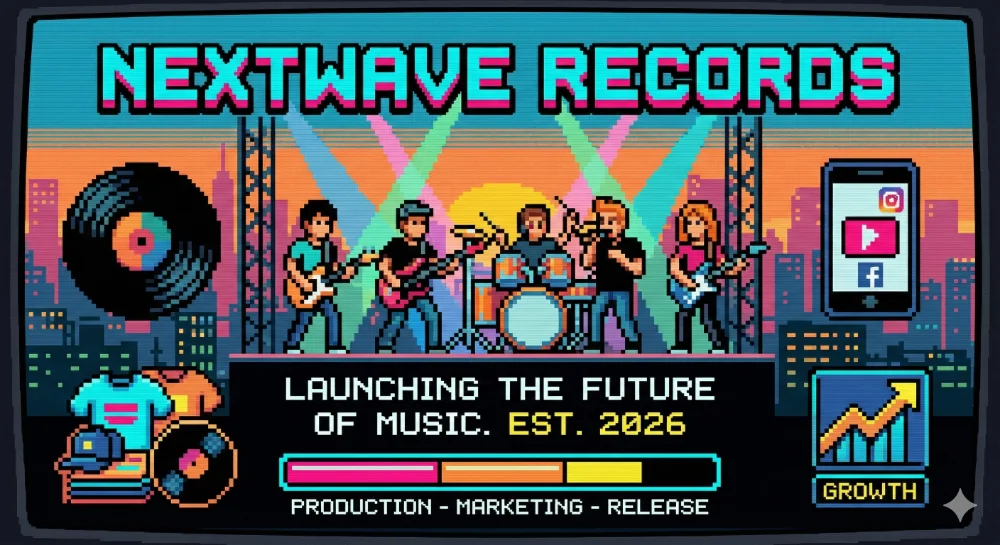
What If Someone Offered Me a Bunch of Money to Start a Record Label?⌗
I love music. I always have. I love listening to it, writing it, recording it, and self-publishing it. But I’m also realistic enough to know that nobody is desperately waiting to hear songs written by a guy in his fifties recording from his family home. That’s not a complaint, it’s just how culture works. Cool matters. Context matters. Image matters.
This problem isn’t new. Frank Farian faced it decades ago, which is why he created Boney M and later Milli Vanilli. He understood that great songs still need the right faces, voices, energy, and machinery behind them to reach an audience. So here’s the thought experiment that kicked all of this off: what if someone offered me serious money to release music, but not my music. Music created and performed by young, credible, exciting musicians, supported by people who understand modern discovery, streaming, physical sales, merchandise, and live performance. What would a record label built properly in 2026 actually look like?
This is my answer.
Project Plan: Releasing a Mini-Album by One Emerging Band⌗
1. Project Overview⌗
This project involves signing one emerging band and supporting them through the recording, release, and promotion of a mini-album. The project runs over a three-month period and is managed by a small independent record label.
The label is responsible for organising the recording process, marketing the release, and making the music available to the public.
2. Project Scope⌗
The project focuses on one band only. The band will release an eight-track mini-album.
The project includes:
- Studio recording
- Mixing and mastering
- Marketing preparation
- Digital distribution
- Limited physical products
- A launch performance
Touring or additional releases are not included in this project.
3. How the Band Is Found and Selected⌗
The band will be found using modern music discovery methods. An open submission will be advertised on TikTok and Instagram for a two-week period. These platforms are widely used by young musicians and are realistic places to discover new talent.
Bands will be asked to submit:
- A short live performance video (recorded at home or in a rehearsal space)
- One original demo track
- Links to their social media accounts
- A short written introduction
Submissions will be reviewed by the label team. The band will be chosen based on:
- Quality of songwriting
- Performance ability
- Online activity
- Willingness to commit to the project
4. Roles and Responsibilities⌗
Record Label⌗
The record label is responsible for:
- Planning and managing the project
- Booking studio time
- Managing the budget
- Organising marketing activity
- Arranging the release
The Band⌗
The band is responsible for:
- Providing original music
- Attending rehearsals and recording sessions
- Creating social media content
- Taking part in promotional activities such as interviews and live performances
5. Pre-Production⌗
Before recording begins, the band will rehearse all selected songs to a professional standard.
The following will be agreed:
- Final track list of eight songs
- Song structures
- Tempos
- Arrangements
A recording schedule will be created to ensure studio time is used efficiently.
6. Recording and Audio Production⌗
Recording will take place in a professional UK recording studio with an experienced engineer. The band will record instruments and vocals across multiple sessions.
After recording:
- Tracks will be edited and mixed by a professional mixing engineer
- Final mixes will be mastered by a professional mastering service
This ensures the final audio is suitable for streaming and physical formats.
7. Marketing Preparation⌗
Marketing will focus mainly on social media.
The band will create content for:
- TikTok
- YouTube Shorts
Content will include:
- Performance clips
- Studio footage
- Previews of upcoming songs
The label will plan a content schedule to ensure regular posting. Album artwork, artist photos, and written release information will also be prepared during this stage.
8. Distribution and Physical Products⌗
The mini-album will be released digitally through a music distribution service so it appears on major streaming platforms.
A limited number of physical products will be produced, including:
- Vinyl records
- T-shirts
- Stickers
These will be sold through:
- The band’s website
- Social media platforms
- The launch performance
9. Release Plan⌗
The release will be spread out over time to build interest.
The release schedule includes:
- One single released first
- A second single released closer to the album date
- Full mini-album digital release at the end of the project
A small launch concert will support the release and provide additional promotion.
10. Three-Month Timeline⌗
Month 1⌗
- Band selection
- Rehearsals
- Studio recording
Month 2⌗
- Mixing and mastering
- Artwork creation
- First single release
Month 3⌗
- Ongoing promotion
- Second single release
- Digital album release
- Launch performance
11. Project Completion⌗
The project is complete when:
- The mini-album has been released digitally
- Physical products are available for sale
- Promotional activity has finished
- The launch performance has taken place
Rationale: Reasons for Project Choices⌗

1. Introduction⌗
This document explains the reasons behind the key decisions made in the project plan. These include how the band is chosen, how the music is produced, how it is marketed, and why the project focuses on one band and one release.
The decisions are based on current music industry practices and research into how emerging artists are supported today.
2. Rationale for Focusing on One Band⌗
The project focuses on signing one band rather than multiple artists in order to keep the project realistic and manageable.
Supporting one band allows the budget to be used more effectively and ensures that enough time and attention is given to recording quality and promotion.
Using a band instead of a solo artist also helps reduce costs, as there is less need to hire session musicians. Bands are also well suited to live performance, which supports promotion and audience engagement.
3. Rationale for Artist Discovery Methods⌗
TikTok and Instagram were chosen as the main platforms for discovering the band because they are widely used by young musicians and audiences.
These platforms allow artists to share:
- Performance videos
- Original songs
- Behind-the-scenes content
This can be done without needing professional resources.
An open submission process was chosen to make the opportunity accessible and fair. Asking for self-recorded performance videos reflects how artists are often discovered in the real world, where labels and promoters assess talent online before arranging live performances.
4. Rationale for the Production Approach⌗
Professional studio recording was chosen to ensure the final release meets industry standards. While home recording is common, studio recording provides:
- Higher sound quality
- Experienced engineering support
- A more reliable final result
Producing a mini-album rather than a full album balances creativity with time and budget limits. An eight-track release provides enough material to introduce the band while remaining realistic within a three-month schedule.
5. Rationale for the Marketing Strategy⌗
The marketing strategy focuses mainly on social media because this is how new music is commonly discovered today.
Platforms such as:
- TikTok
- YouTube Shorts
allow artists to reach new audiences quickly through short, engaging videos.
The use of performance clips and behind-the-scenes content helps the band appear authentic and relatable, which is important for building a fanbase.
Paid advertising is used in a limited way to support organic reach rather than replace it.
Radio promotion is not a main focus because traditional radio has less influence on emerging artists compared to digital platforms. However, independent and online radio stations can still help reach niche audiences.
6. Rationale for the Release Strategy⌗
Releasing singles before the full mini-album helps build interest and maintain audience attention.
This approach allows listeners to become familiar with the band before the main release.
Offering limited physical products such as vinyl and merchandise supports direct sales and fan engagement. Physical products are often treated as special or collectible items rather than mass-market products, which helps reduce financial risk.
7. Rationale for the Three-Month Timeline⌗
A three-month timeline was chosen to keep the project focused and maintain momentum.
Shorter release cycles reflect modern music consumption habits, where audiences expect regular content and updates.
The timeline also allows enough time for recording, promotion, and release preparation without delaying the project unnecessarily.
8. Conclusion⌗
The decisions made in this project aim to balance creativity, realism, and industry relevance.
By focusing on one band, using modern discovery and marketing platforms, and following a structured release plan, the project reflects how emerging artists are launched in today’s music industry.
Budget and Financial Rationale⌗

1. Introduction⌗
This document explains the budget for the project and the reasons for each cost.
The budget is based on realistic prices from UK music industry services, including professional recording studios, mixing engineers, and mastering services. The aim is to show an understanding of how much it costs to produce and release music to a professional standard.
2. Recording Costs⌗
The band will record in a professional UK recording studio with an experienced engineer. Using a professional studio helps ensure good sound quality and makes the recording process more efficient.
A mid-range studio is chosen rather than a very high-end studio to keep costs controlled while still achieving professional results.
Estimated cost:
- 8 days of studio recording at approximately £400 per day
Total recording cost: £3,200
3. Mixing Costs⌗
After recording, the tracks will be mixed by a professional mixing engineer. Mixing balances the instruments and vocals and prepares the tracks for release.
Professional mixing engineers in the UK typically charge per track. A mid-range rate has been chosen to reflect good quality without using very high-profile engineers.
Estimated cost:
- 8 tracks at £200 per track
Total mixing cost: £1,600
4. Mastering Costs⌗
Mastering is the final stage of audio production and ensures the music sounds consistent and polished across streaming platforms and physical formats.
A recognised professional mastering service will be used, such as Abbey Road’s online mastering service. This ensures the final audio meets industry standards.
Estimated cost:
- 8 tracks at £90 per track
Total mastering cost: £720
5. Artwork and Photography Costs⌗
Visual content is important for promoting music online and for physical products. A professional photoshoot and album artwork will be created.
Estimated cost:
- Photography: £500
- Artwork design: £300
Total artwork and photography cost: £800
6. Marketing and Promotion Costs⌗
Marketing focuses mainly on social media platforms such as TikTok and Instagram.
Digital Distribution⌗
A music distribution service is required to release the music on streaming platforms.
- Distribution fee: £50
Social Media Advertising⌗
A small budget is set aside for paid advertising to help promote singles and reach new listeners.
- Advertising budget: £800
Press and Playlist Promotion⌗
Some budget is allocated to promote the release through independent radio stations, blogs, and playlists.
- Promotion budget: £1,000
7. Physical Products⌗
Vinyl Production⌗
A limited run of vinyl records will be produced as a collector item and sold directly to fans.
- Estimated cost for 300 records: £2,250
Merchandise⌗
Basic merchandise such as t-shirts and stickers will be produced for online sales and the launch event.
- Merchandise cost: £800
8. Total Project Budget⌗
| Category | Cost |
|---|---|
| Recording | £3,200 |
| Mixing | £1,600 |
| Mastering | £720 |
| Artwork & Photography | £800 |
| Marketing & Promotion | £1,850 |
| Vinyl Production | £2,250 |
| Merchandise | £800 |
| Total Budget | £11,220 |
9. Budget Reasoning⌗
This budget focuses on spending money where it has the most impact. Professional recording, mixing, and mastering ensure the music meets industry standards. Marketing costs focus on social media, where emerging artists are most likely to be discovered.
Risk is reduced by:
- Working with one band only
- Producing a mini-album instead of a full album
- Limiting the amount of physical stock produced
This makes the project realistic and achievable for a first release.
10. Conclusion⌗
The budget reflects realistic costs for producing and releasing music in today’s industry. It balances quality, promotion, and cost control, and supports the overall aim of launching one emerging band successfully.
Investor Pitch: NextWave Records⌗
If I had to pitch my idea in ‘Dragon’s Den’. This is how I’d do it: NOT death by PowerPoint!
Slide 1 — Title⌗
NextWave Records⌗
A record label supporting new bands
This presentation outlines a plan to sign and release music by one emerging band.
Slide 2 — The Idea⌗
Many young bands struggle to:
- Afford professional recording
- Understand how to market their music
- Reach an audience beyond social media
NextWave Records aims to support one band through a professional first release.
Slide 3 — Why One Band⌗
This project focuses on signing one band only.
This allows:
- Better use of the budget
- More time spent on quality recording
- Lower financial risk
Choosing a band instead of a solo artist also reduces the need to hire session musicians.
Slide 4 — How We Find the Band⌗
The band will be found using modern music discovery methods.
This includes:
- An open submission advertised on TikTok and Instagram
Bands will submit:
- A short live performance video (home or rehearsal)
- One original demo
- Links to social media accounts
These platforms are commonly used by young artists and are realistic ways to discover new talent.
Slide 5 — Recording & Production⌗
The band will record in a professional UK recording studio.
The process includes:
- Studio recording with an engineer
- Mixing by a professional mixing engineer
- Mastering by a recognised mastering service (such as Abbey Road’s online mastering)
This ensures the final release meets professional sound standards.
Slide 6 — Marketing & Promotion⌗
Marketing will focus mainly on social media.
Key platforms:
- TikTok
- YouTube Shorts
Content will include:
- Performance clips
- Behind-the-scenes studio footage
- Song previews
Some paid advertising will be used to help reach a wider audience.
Slide 7 — Release Plan⌗
The release will be spread over time.
This includes:
- One single released before the album
- A second single closer to release
- A digital mini-album release
Limited vinyl and merchandise will be sold through the band’s website and social media.
A small launch concert will support the release.
Slide 8 — Budget Overview⌗
Total project budget: £11,220
This covers:
- Studio recording
- Mixing and mastering
- Artwork and photography
- Marketing and promotion
- Vinyl and merchandise production
The budget is based on real UK studio and service costs.
Slide 9 — How Money Is Made⌗
Income comes from:
- Vinyl sales
- Merchandise
- Ticket sales from the launch concert
Streaming income is expected to grow over time rather than immediately.
Slide 10 — Why This Plan Works⌗
This plan:
- Uses realistic industry methods
- Controls costs by focusing on one band
- Prioritises quality and promotion
- Reflects how music is released today
It provides a strong starting point for launching new artists.
Slide 1 — Title⌗
Speaker Notes⌗
This presentation outlines a proposal for a small record label called NextWave Records.
The idea is to support one emerging band through recording, release, and promotion of a mini-album.
The focus is on realistic, modern music industry practices.
Slide 2 — The Idea⌗
Speaker Notes⌗
Many young bands struggle to get their music heard because professional recording and marketing are expensive.
They also often don’t understand how releases are planned or promoted.
This project aims to give one band a structured and professional first release, with industry support.
Slide 3 — Why One Band⌗
Speaker Notes⌗
This project focuses on signing one band rather than multiple artists.
This keeps the project manageable and allows the budget to be spent on quality rather than quantity.
Using a band instead of a solo artist also reduces costs because session musicians are not needed.
It lowers risk and makes the project more realistic.
Slide 4 — How We Find the Band⌗
Speaker Notes⌗
The band will be found using platforms that young musicians already use.
An open submission will be advertised on TikTok and Instagram.
Bands will submit:
- A short live performance video
- An original demo
- Links to their social media
This reflects how artists are often discovered today and allows talent to be assessed fairly.
Slide 5 — Recording & Production⌗
Speaker Notes⌗
The band will record in a professional UK recording studio with an experienced engineer.
Mixing will be carried out by a professional mixing engineer to ensure balance and clarity.
Mastering will be completed by a recognised mastering service, such as Abbey Road’s online mastering.
This ensures the final tracks meet professional industry standards.
Slide 6 — Marketing & Promotion⌗
Speaker Notes⌗
Marketing will mainly focus on social media, as this is where new music is discovered today.
The main platforms used will be:
- TikTok
- YouTube Shorts
Content will include short performance clips, behind-the-scenes studio footage, and song previews.
A small amount of paid advertising will be used to increase reach.
Slide 7 — Release Plan⌗
Speaker Notes⌗
The release will be spread out to keep audience interest.
One single will be released first, followed by a second single closer to the album release.
The mini-album will then be released digitally.
Limited vinyl and merchandise will be sold online, and a launch concert will support the release.
Slide 8 — Budget Overview⌗
Speaker Notes⌗
The total budget for the project is just over eleven thousand pounds.
This includes recording, mixing, mastering, artwork, marketing, vinyl production, and merchandise.
The figures are based on real UK studio and service costs rather than estimates.
Slide 9 — How Money Is Made⌗
Speaker Notes⌗
Income will mainly come from:
- Vinyl sales
- Merchandise
- Ticket sales from the launch concert
Streaming income is expected to be smaller at first but may grow over time as the audience increases.
This approach prioritises direct-to-fan sales, which are more reliable for new artists.
Slide 10 — Why This Plan Works⌗
Speaker Notes⌗
This plan works because it focuses on one artist, controls costs, and uses modern promotion methods.
It reflects how emerging artists are released today rather than relying on outdated models.
Overall, it provides a realistic and achievable way to launch a new band.

Article Overview:⌗
TL;DR - here’s what you missed!
Document 1 – Project Plan⌗
Project Overview⌗
- Sign and support one emerging band
- Produce and release an 8-track mini-album
- Project length: three months
- Managed by a small independent record label
Project Scope⌗
- One band only
- One mini-album release
- Includes:
- Studio recording
- Mixing and mastering
- Marketing preparation
- Digital release
- Limited physical products
- Launch performance
- Does not include touring or further releases
How the Band Is Found⌗
- Open submission advertised on:
- TikTok
- Submission requirements:
- Short live performance video (home or rehearsal space)
- One original demo track
- Social media links
- Short written introduction
- Band selected based on:
- Song quality
- Performance ability
- Online activity
- Commitment to the project
Roles and Responsibilities⌗
- Record label
- Project planning and scheduling
- Budget management
- Studio booking
- Marketing coordination
- Distribution and release
- Band
- Provide original music
- Attend rehearsals and recording sessions
- Create social media content
- Take part in promotion and live performance
Pre-Production⌗
- Rehearse all songs to a professional standard
- Finalise track list (8 songs)
- Confirm song structures, tempos, and arrangements
- Create a detailed recording schedule
Recording and Production⌗
- Record in a professional UK studio with an engineer
- Record instruments and vocals over multiple sessions
- Tracks edited and mixed by a professional mixing engineer
- Tracks mastered by a professional mastering service
Marketing Preparation⌗
- Focus on social media platforms:
- TikTok
- YouTube Shorts
- Content includes:
- Performance clips
- Studio footage
- Song previews
- Create a content schedule
- Prepare artwork, photos, and release information
Distribution and Physical Products⌗
- Digital release via a music distributor
- Limited vinyl pressing
- Basic merchandise (t-shirts, stickers)
- Products sold via:
- Band website
- Social media
- Launch concert
Release Plan⌗
- First single released before the album
- Second single released closer to album launch
- Mini-album released digitally
- Launch concert held to support the release
Timeline⌗
- Month 1: Band selection, rehearsals, recording
- Month 2: Mixing, mastering, artwork, first single
- Month 3: Promotion, second single, album release, launch show
Project Completion⌗
- Album released digitally
- Physical products available
- Promotion completed
- Launch performance completed
Document 2 – Rationale⌗
Purpose⌗
- Explain why key project decisions were made
- Based on current music industry practices
Why One Band⌗
- Keeps project manageable and realistic
- Allows better use of budget
- More focus on quality recording and promotion
- Reduces need for session musicians
- Bands are suitable for live performance promotion
Why TikTok and Instagram for Discovery⌗
- Widely used by young musicians and audiences
- Allow artists to show performance and originality
- Low-cost and accessible platforms
- Reflect real-world artist discovery methods
- Self-recorded videos commonly used in scouting
Why Professional Recording⌗
- Ensures good sound quality
- Provides experienced technical support
- More reliable results than home recording
- Suitable for streaming and physical formats
Why a Mini-Album⌗
- Balances creativity with time and budget
- Eight tracks introduce the band clearly
- Achievable within three months
- Lower risk than a full album
Why Digital-First Marketing⌗
- New music mainly discovered online
- Short-form video effective for emerging artists
- TikTok, Instagram, and YouTube Shorts suit performance content
- Paid ads support but do not replace organic reach
Why Limited Radio Promotion⌗
- Traditional radio less influential for new artists
- Independent and online radio useful for niche audiences
Why the Release Strategy⌗
- Singles build interest before album release
- Staggered releases maintain attention
- Vinyl and merch encourage direct fan support
- Physical products treated as collector items
Why a Three-Month Timeline⌗
- Keeps momentum and focus
- Reflects modern music consumption habits
- Allows enough time for quality production and promotion
Document 3 – Budget and Cost Reasoning⌗
Purpose⌗
- Show realistic understanding of music industry costs
- Budget based on real UK studio and service prices
Recording Costs⌗
- Professional UK recording studio
- Experienced recording engineer included
- 8 days at approximately £400 per day
- Total: £3,200
Mixing Costs⌗
- Professional mixing engineer
- Charged per track
- 8 tracks at £200 per track
- Total: £1,600
Mastering Costs⌗
- Professional mastering service
- Example: Abbey Road online mastering
- 8 tracks at £90 per track
- Total: £720
Artwork and Photography⌗
- Professional photoshoot
- Album artwork design
- Total: £800
Marketing and Promotion⌗
- Digital distribution fee: £50
- Social media advertising: £800
- Press and playlist promotion: £1,000
- Total: £1,850
Physical Products⌗
- Vinyl pressing (300 copies): £2,250
- Merchandise (t-shirts and stickers): £800
Total Budget⌗
- Recording: £3,200
- Mixing: £1,600
- Mastering: £720
- Artwork & photography: £800
- Marketing & promotion: £1,850
- Vinyl production: £2,250
- Merchandise: £800
- Grand total: £11,220
Budget Reasoning⌗
- Spending focused on sound quality and promotion
- Social media prioritised over traditional marketing
- Risk reduced by:
- One band only
- Mini-album format
- Limited physical stock